What is Emotional Eating?
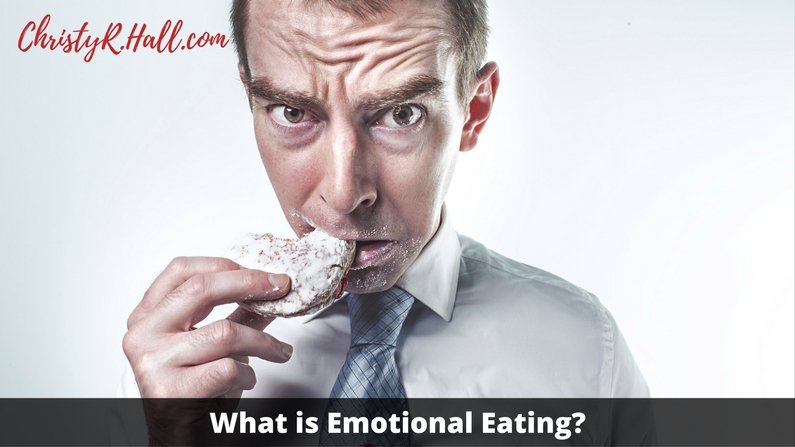
At it’s most basic, Emotional eating is using food to managing your emotions. Here are some details and definitions that may help you identify emotional eating, and some tips and tricks to help you mitigate its effects.
The Causes Of Emotional Eating
Major life events and changes in circumstances, relationships, work dynamics, daily stress, and general feelings of a loss of control can be major contributors to emotional eating. For example, a recent break up could create the impulse eat ice cream or cake of a burger. A sudden change of attitude in friends, family members, or coworkers could leave you feeling alienated and grabbing for cookies. Or perhaps the ebb and flow of life’s daily activities could put you in mood where food is thought of as a reward or a treat, a way to relieve stress, or way to avoid dealing with emotions surrounding a situation.
Determining If It’s Emotional Eating
There are a few differences between the type of hunger that comes from emotional needs, and that of physical needs. Physical hunger is gradual, and eating fulfills the need for nourishment. When you are physically hungry and you eat something, you will most likely feel better or more energized. When the hunger is emotional hunger, eating may not give you the feeling of being filled, which may cause you to go back for more food. This can lead to overeating. At the end of the meal, you might feel tired, or depressed, but there are even more long term effects that can come from emotional eating.
The Effects of Emotional Eating
Along with the effects already mentioned, there are a number of health risks associated with emotional eating. Emotional eating is one of the leading causes of failed diets and weight gain. Excess weight puts a heavy strain on your internal organs, which can lead to high blood pressure and diabetes. But, not only internal organs are at risk. A person who has gained a substantial amount of weight faces an increased risk of joint injuries of all types. A slip or fall could result in a serious injury that requires surgery, and many months of healing, but what is even more frightening is the fact that a lot weight gain could make it more difficult, or even prevent emergency medical teams from being able to respond in an efficient or timely manner.
What can you do?
One of the most commonly used methods of determining the source of hunger is the food test. Ask yourself if you want to eat this food, or if there is something else you can eat instead. You can also try habit replacement. Find something positive to do when you feel stressed out. Exercise, deep breathing, or any stress relieving hobby can go a long way towards improving your control.

RyanMcGuire licensed under Pixabay License
RyanMcGuire licensed under Pixabay License
RyanMcGuire licensed under Pixabay License